Tuna Salad
Sometimes you need something quick and easy to eat and a Tuna Salad is the perfect fix for such a situation. Its filling and can be eaten plain, with bread, or even with crackers.
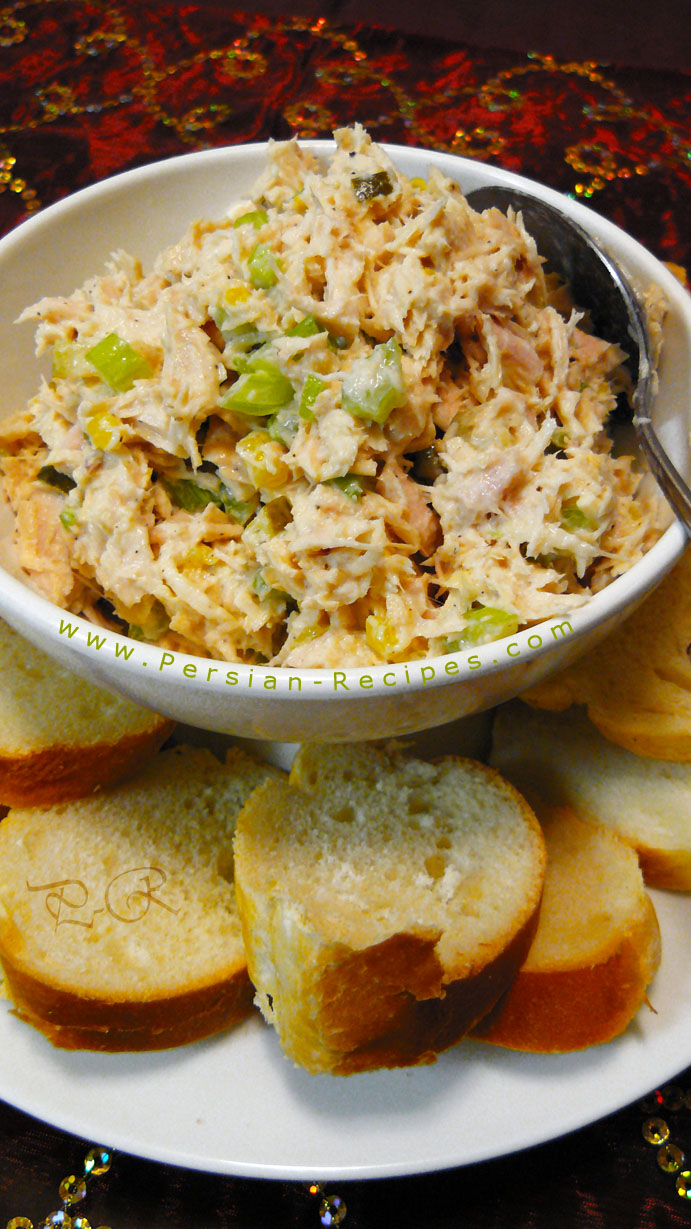
In Persian tradition, dining is a harmony of hot and cold temperaments (Garm o Sard). Serve this dish alongside:
Crisp Texture Secret: Dice vegetables into uniform jewel-sized cubes and dress with fresh lime juice, verjuice (ab-ghooreh), and olive oil shortly before serving. Wash and thoroughly dry fresh herbs so every bite stays bright and crisp.
Ingredients
مواد لازمStep-by-Step Instructions
طرز تهیهSource: Printed from PersianRecipes.com — View full photos, Persian pantry tips, and interactive serving scaling at:
More in Salads & Appetizers
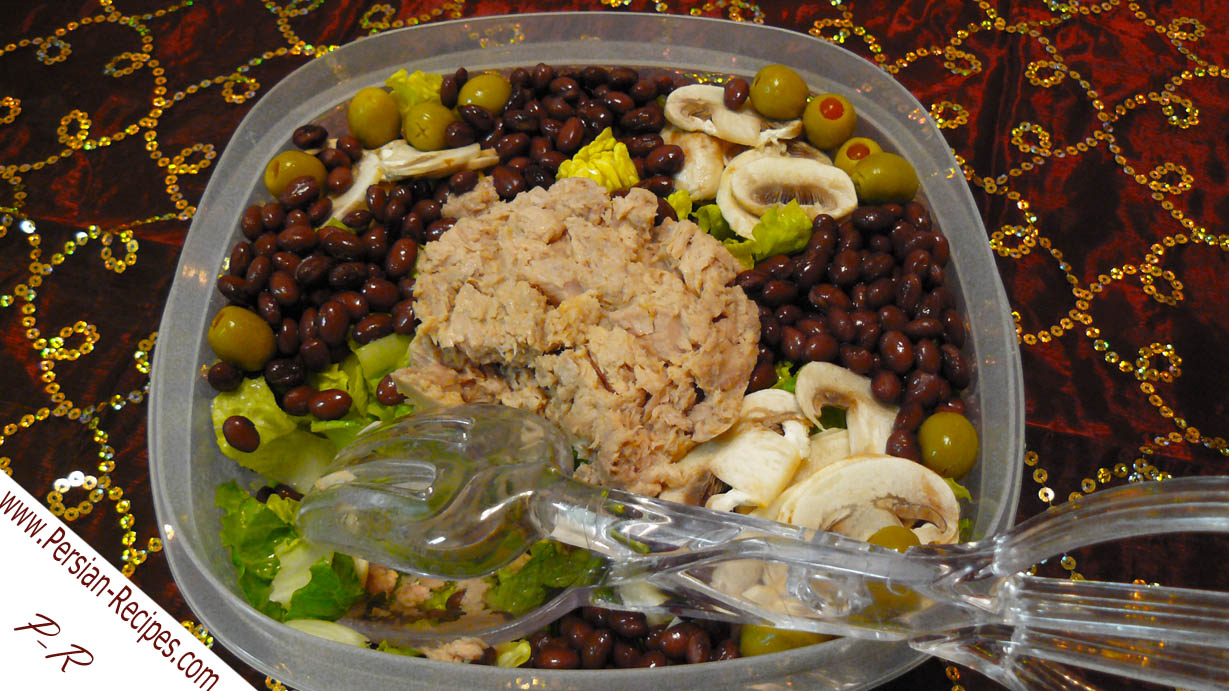
Salad With Tuna And Beans
A friend of mine had come over a while back and brought over a salad with tuna and beans on it. Its a perfect addition to any salad and very filling! I am always running out of ideas for what to put on a salad and this was quite tasty, so I wanted to share for anyone else who is always trying to give their salad a bit of variety.
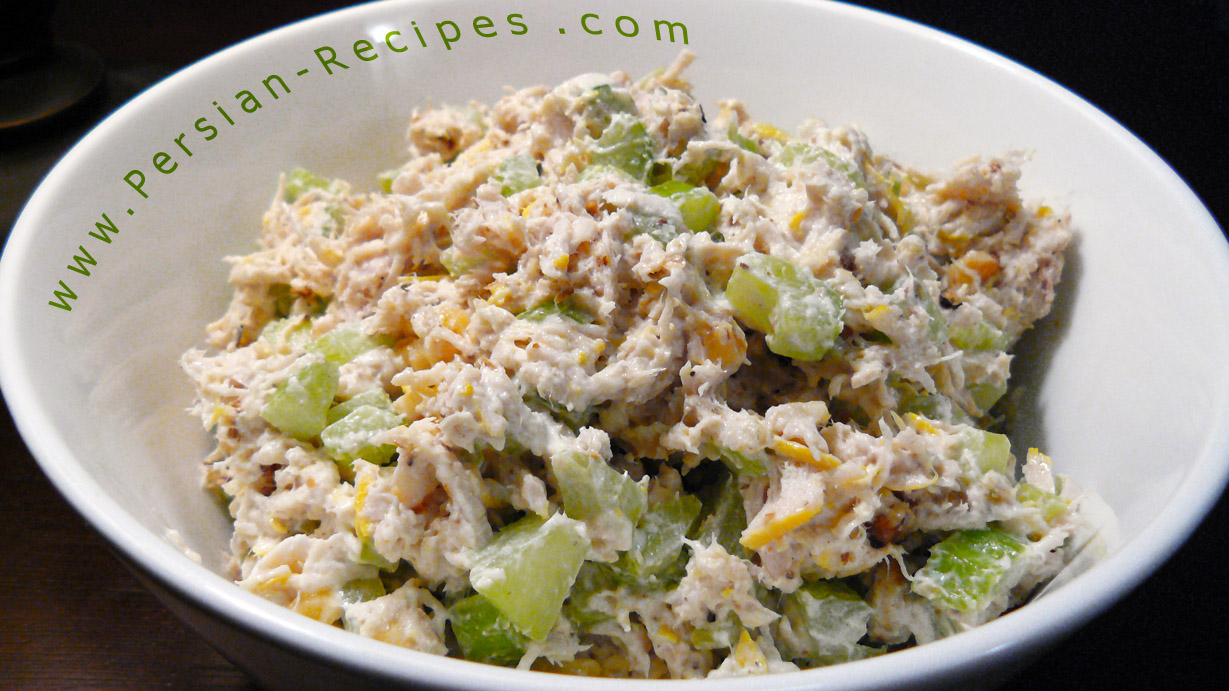
Chicken Celery Salad
This is a simple and tasty Persian Chicken and Celery Salad (Salad-e Morgh o Karafs) tossed with crunchy walnuts, finely chopped celery, and a light lemon-mayo dressing. Its great as a side dish or even a meal—it goes perfect with bread and makes a filling sandwich!
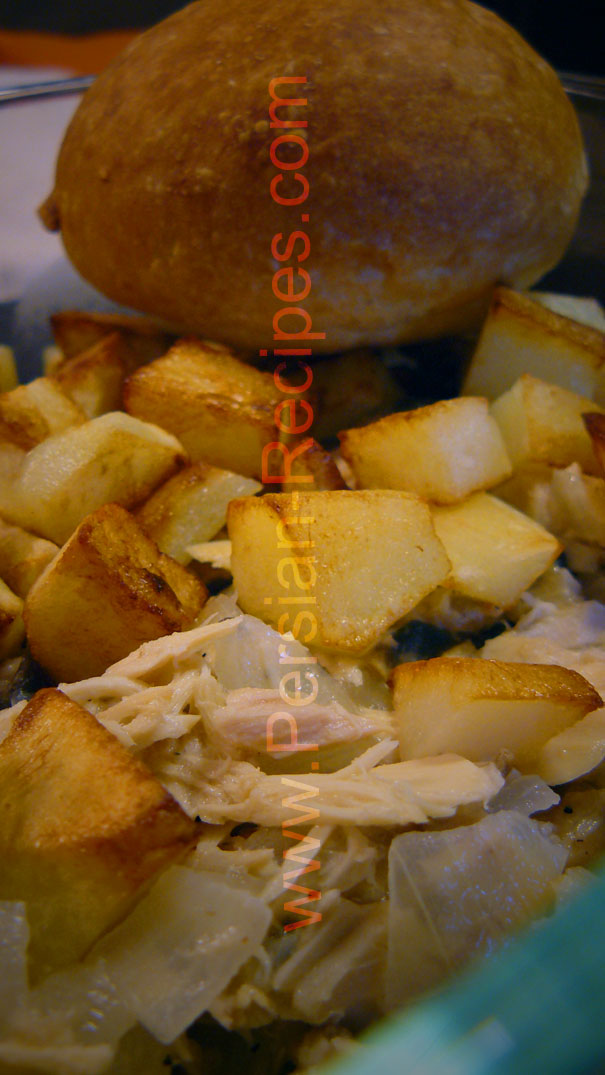
Khorake Tone Mahi (Tuna Fish Dish)
Khorak is a Persian dish that is basically a combination of various vegetables with a meat (or just all vegetables). There are various forms of Khorak, and this specific recipe deals with tuna fish! It’s super fast, hearty, and great when you want something flavorful without spending hours in the kitchen.
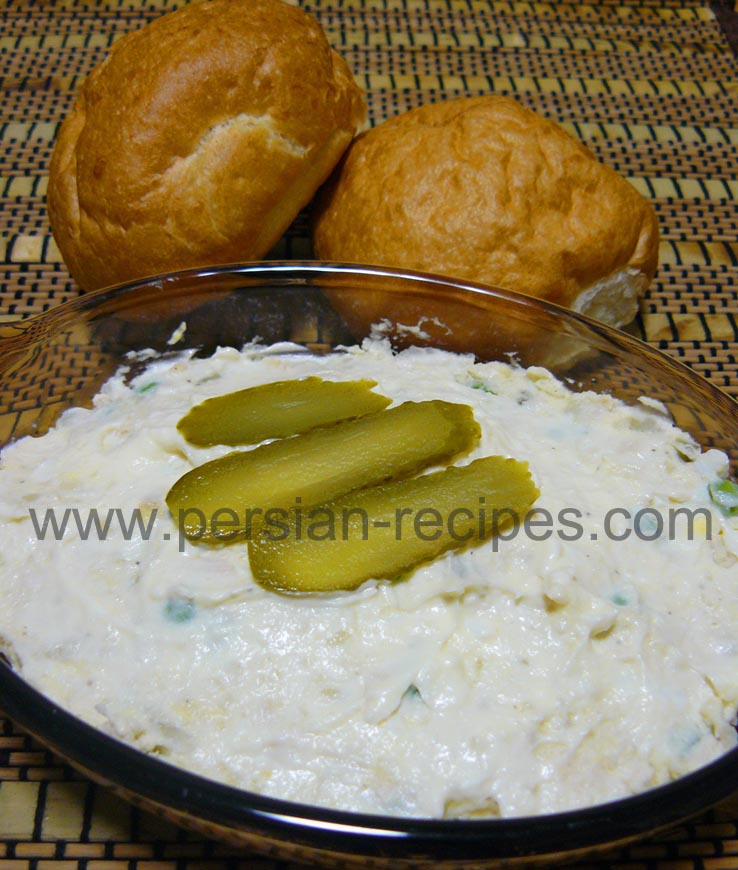
Salade Olovieh
A very yummy Persian potato salad! This dish is a good appetizer for a party, can be eaten as a snack with crackers, or can even be put into bread for a sandwich. The ingredients listed below make enough to last one person a couple of days, or even feed a group at a gathering. You can always increase the amount of ingredients used to make more, or decrease to make less.